
Building Emotional Discipline in Stock Trading: Essential Trading Discipline Techniques
- Anthony Luongo
- Mar 2
- 5 min read

Trading in stocks, options, or crypto markets demands more than just technical knowledge and market analysis. One of the most critical factors that separate successful traders from the rest is the ability to maintain emotional discipline. Without it, even the best strategies can fail due to impulsive decisions driven by fear, greed, or frustration. In this post, I will share practical insights and trading discipline techniques that have helped me and many others stay focused and consistent in the fast-paced world of trading.
Understanding the Importance of Trading Discipline Techniques
Discipline in trading is the foundation upon which profitable trading is built. It involves sticking to your trading plan, managing risk carefully, and controlling emotional reactions to market movements. Without discipline, traders often fall into common traps such as overtrading, revenge trading, or holding losing positions for too long.
Here are some key reasons why discipline is essential:
Consistency: Discipline helps you follow your strategy consistently, which is crucial for long-term success.
Risk Management: It ensures you adhere to stop-loss levels and position sizing rules, protecting your capital.
Emotional Control: Discipline reduces the impact of emotions like fear and greed, which can cloud judgment.
Improved Decision-Making: When emotions are in check, decisions are based on logic and analysis rather than impulse.
By mastering these trading discipline techniques, you create a framework that supports rational decision-making and resilience in volatile markets.

Practical Trading Discipline Techniques to Implement Today
Building discipline is a gradual process that requires commitment and practice. Here are some actionable techniques that can help you develop and maintain discipline in your trading routine:
Create and Follow a Trading Plan
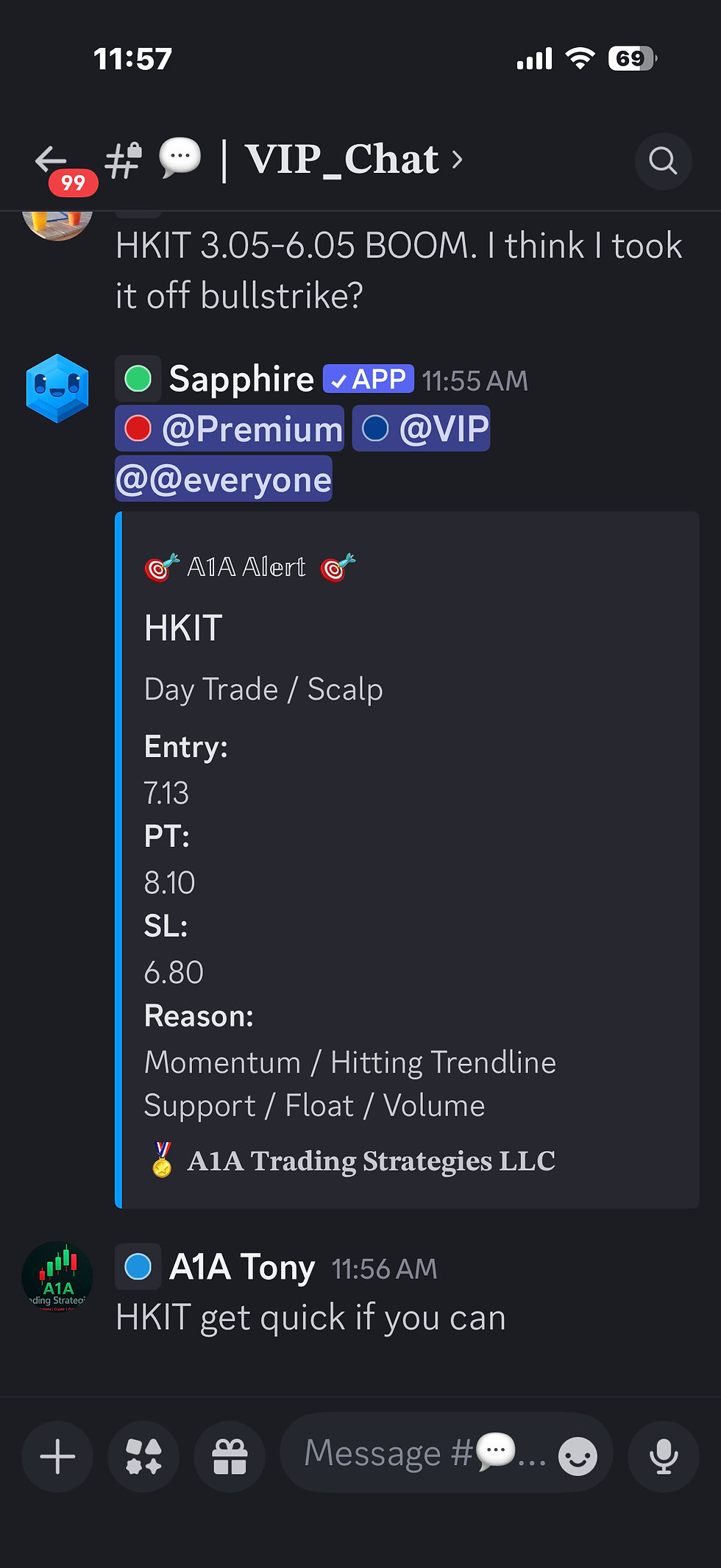
A well-defined trading plan outlines your entry and exit criteria, risk management rules, and goals. Write it down and review it regularly. This plan acts as your roadmap and helps prevent impulsive decisions.
Set Realistic Goals
Avoid aiming for unrealistic profits in a short time. Set achievable targets based on your strategy and market conditions. This reduces pressure and helps maintain a steady approach.
Use Stop-Loss Orders Religiously
Stop-loss orders protect your capital by limiting losses on any trade. Treat them as non-negotiable. Never move or remove a stop-loss out of hope or fear.
Keep a Trading Journal
Document every trade, including your reasoning, emotions, and outcomes. Reviewing your journal regularly helps identify patterns in your behavior and areas for improvement.
Limit Your Trading Time
Avoid overtrading by setting specific trading hours. This helps prevent fatigue and emotional exhaustion, which can lead to poor decisions.
Practice Patience
Wait for the right setups according to your plan. Avoid chasing the market or entering trades out of boredom or impatience.
Manage Your Risk
Never risk more than a small percentage of your trading capital on a single trade. This protects you from large losses and keeps your emotions stable.
By integrating these techniques into your daily routine, you build a disciplined mindset that supports consistent performance.
How do I control my emotions when trading?
Controlling emotions during trading is one of the toughest challenges. The market’s unpredictability can trigger anxiety, excitement, or frustration. Here are some strategies I use to keep my emotions in check:
Recognize Emotional Triggers
Identify situations that cause emotional reactions, such as a sudden price drop or a missed opportunity. Awareness is the first step to managing these feelings.
Take Breaks When Needed
If you feel overwhelmed or stressed, step away from the screen. A short break can help you regain composure and avoid rash decisions.
Use Breathing Techniques
Simple breathing exercises can calm your nervous system and reduce stress during volatile moments.
Focus on the Process, Not the Outcome
Concentrate on executing your trading plan correctly rather than obsessing over profits or losses. This shift in focus reduces emotional pressure.
Accept Losses as Part of Trading
Losses are inevitable. Accepting them without self-blame helps maintain confidence and emotional balance.
Visualize Success and Discipline
Mental rehearsal of disciplined trading behavior can reinforce positive habits and reduce emotional reactions.
By applying these methods, you can develop greater emotional resilience and improve your overall trading performance.

The Role of Emotional Discipline in Trading Success
The phrase emotional discipline in trading is often mentioned but not always fully understood. It refers to the ability to manage your feelings and impulses so that they do not interfere with your trading decisions. Emotional discipline is not about suppressing emotions but about recognizing and controlling them effectively.
When emotional discipline is strong, you:
Avoid chasing losses or doubling down on bad trades.
Stick to your trading plan even when the market is volatile.
Maintain confidence without becoming overconfident.
Handle winning streaks with humility and losing streaks with patience.
This balance is crucial because trading is as much a psychological game as it is a technical one. Developing emotional discipline helps you stay objective, make better decisions, and ultimately increase your chances of success.
Building a Supportive Trading Environment
Discipline is easier to maintain when your environment supports your goals. Here are some ways to create a trading environment that fosters discipline:
Join a Trading Community
Being part of a group like A1A Trading Strategies allows you to share experiences, learn from others, and stay motivated.
Limit Distractions
Create a dedicated trading space free from interruptions. This helps you focus and reduces impulsive actions.
Use Technology Wisely
Set alerts and use automated tools to help manage trades and reduce emotional interference.
Continuous Learning
Stay updated with market trends and trading education. Knowledge builds confidence and discipline.
Accountability Partner
Share your trading goals with someone who can hold you accountable and provide feedback.
By surrounding yourself with the right tools and people, you reinforce your commitment to disciplined trading.
Developing Long-Term Discipline for Sustainable Growth
Discipline is not a one-time achievement but a lifelong practice. Here are some tips to sustain and deepen your trading discipline over time:
Review and Adjust Your Plan Regularly
Markets evolve, and so should your plan. Regular reviews help you stay aligned with your goals.
Celebrate Small Wins
Acknowledge your progress and milestones. Positive reinforcement encourages continued discipline.
Stay Humble and Open-Minded
Accept that mistakes happen and be willing to learn from them.
Maintain Balance
Ensure trading does not consume your entire life. A balanced lifestyle supports mental clarity and emotional stability.
Practice Mindfulness and Stress Management
Techniques like meditation or exercise can improve your overall emotional health.
By committing to these habits, you build a resilient mindset that supports long-term success in trading.
Building emotional discipline in stock trading is a journey that requires patience, self-awareness, and consistent effort. By applying these trading discipline techniques, you can transform your approach, reduce emotional pitfalls, and enhance your ability to navigate the markets with confidence. Remember, success in trading is not just about making the right trades but about cultivating the right mindset.

$50
Product Title
Product Details goes here with the simple product description and more information can be seen by clicking the see more button. Product Details goes here with the simple product description and more information can be seen by clicking the see more button

$50
Product Title
Product Details goes here with the simple product description and more information can be seen by clicking the see more button. Product Details goes here with the simple product description and more information can be seen by clicking the see more button.
$50
Product Title
Product Details goes here with the simple product description and more information can be seen by clicking the see more button. Product Details goes here with the simple product description and more information can be seen by clicking the see more button.


Comments