
Mastering A1A Trading Strategies for Success: Effective Trading Methods
- Anthony Luongo
- Mar 25
- 4 min read

Trading in stocks, options, and cryptocurrencies demands more than just luck. It requires a solid foundation of knowledge, discipline, and effective trading methods. Over time, I have discovered that mastering specific strategies can significantly improve your chances of success. In this post, I will share insights into how you can develop and refine your approach using proven techniques, including the powerful a1a trading strategies.
Understanding Effective Trading Methods
Before diving into specific strategies, it is essential to understand what makes a trading method effective. An effective trading method is one that:
Aligns with your risk tolerance: You should feel comfortable with the level of risk you take.
Is repeatable and consistent: The strategy should work reliably over time.
Has clear entry and exit rules: Ambiguity leads to hesitation and losses.
Incorporates risk management: Protecting your capital is paramount.
Adapts to market conditions: Markets evolve, and so should your approach.
For example, a momentum trading strategy might work well in a trending market but fail during sideways movement. Recognizing these nuances helps you adjust your tactics accordingly.

Building a Trading Plan That Works
A trading plan is your roadmap to success. It outlines your goals, strategies, risk management rules, and evaluation criteria. Here’s how to build one that supports effective trading methods:
Define Your Objectives
Are you aiming for short-term gains or long-term growth? Your goals will shape your strategy.
Choose Your Markets
Focus on stocks, options, or crypto based on your interests and expertise.
Select Your Trading Style
Decide if you prefer day trading, swing trading, or position trading.
Develop Entry and Exit Criteria
Use technical indicators, chart patterns, or fundamental analysis to decide when to buy or sell.
Set Risk Management Rules
Determine your maximum loss per trade and use stop-loss orders to protect your capital.
Keep a Trading Journal
Document every trade to analyze what works and what doesn’t.
For instance, if you decide to trade options, your plan might include specific strike prices, expiration dates, and strategies like spreads or straddles.
Technical Analysis: The Backbone of Trading
Technical analysis is a cornerstone of many effective trading methods. It involves studying price charts and indicators to predict future price movements. Here are some key components:
Support and Resistance Levels
These are price points where the market tends to reverse or pause. Identifying them helps you set entry and exit points.
Moving Averages
Simple Moving Averages (SMA) and Exponential Moving Averages (EMA) smooth out price data to reveal trends.
Volume Analysis
Volume confirms the strength of a price move. High volume on a breakout suggests conviction.
Momentum Indicators
Tools like the Relative Strength Index (RSI) and Moving Average Convergence Divergence (MACD) help identify overbought or oversold conditions.
For example, combining a moving average crossover with RSI can provide a strong signal to enter or exit a trade.

Incorporating Fundamental Analysis
While technical analysis focuses on price action, fundamental analysis looks at the underlying factors that affect an asset’s value. This is especially important for stocks and some cryptocurrencies. Key elements include:
Earnings Reports and Financial Statements
Analyze revenue, profit margins, and debt levels.
Industry Trends
Understand the sector’s growth potential and challenges.
Economic Indicators
Interest rates, inflation, and employment data can influence markets.
News and Events
Mergers, regulatory changes, or technological advancements can create opportunities or risks.
For example, a strong earnings report might trigger a stock’s price to surge, presenting a buying opportunity.
Risk Management: Protecting Your Capital
No trading strategy is complete without a solid risk management plan. Protecting your capital ensures you can stay in the game long enough to profit. Here are some practical tips:
Use Stop-Loss Orders
Automatically exit a trade if the price moves against you beyond a set point.
Limit Position Size
Never risk more than a small percentage of your trading capital on a single trade (commonly 1-2%).
Diversify Your Portfolio
Spread your investments across different assets to reduce risk.
Avoid Overtrading
Stick to your plan and avoid impulsive decisions.
Review and Adjust
Regularly assess your risk management effectiveness and make changes as needed.
For instance, if you have $10,000 in capital, risking 1% means you should not lose more than $100 on any trade.
Leveraging Technology and Tools
Modern trading offers a wealth of tools to enhance your effectiveness. From charting software to automated trading bots, technology can help you execute your strategies with precision.
Trading Platforms
Choose platforms that offer real-time data, customizable charts, and fast order execution.
Screeners and Alerts
Use stock or crypto screeners to find opportunities that meet your criteria.
Backtesting Software
Test your strategies on historical data to evaluate their performance.
Educational Resources
Stay updated with webinars, tutorials, and community forums.
By integrating these tools, you can make more informed decisions and reduce emotional trading.
Continuous Learning and Community Support
Trading is a journey of constant learning. Markets evolve, and so should your skills. Engaging with a community of like-minded traders can accelerate your growth. Sharing insights, discussing strategies, and receiving feedback are invaluable.
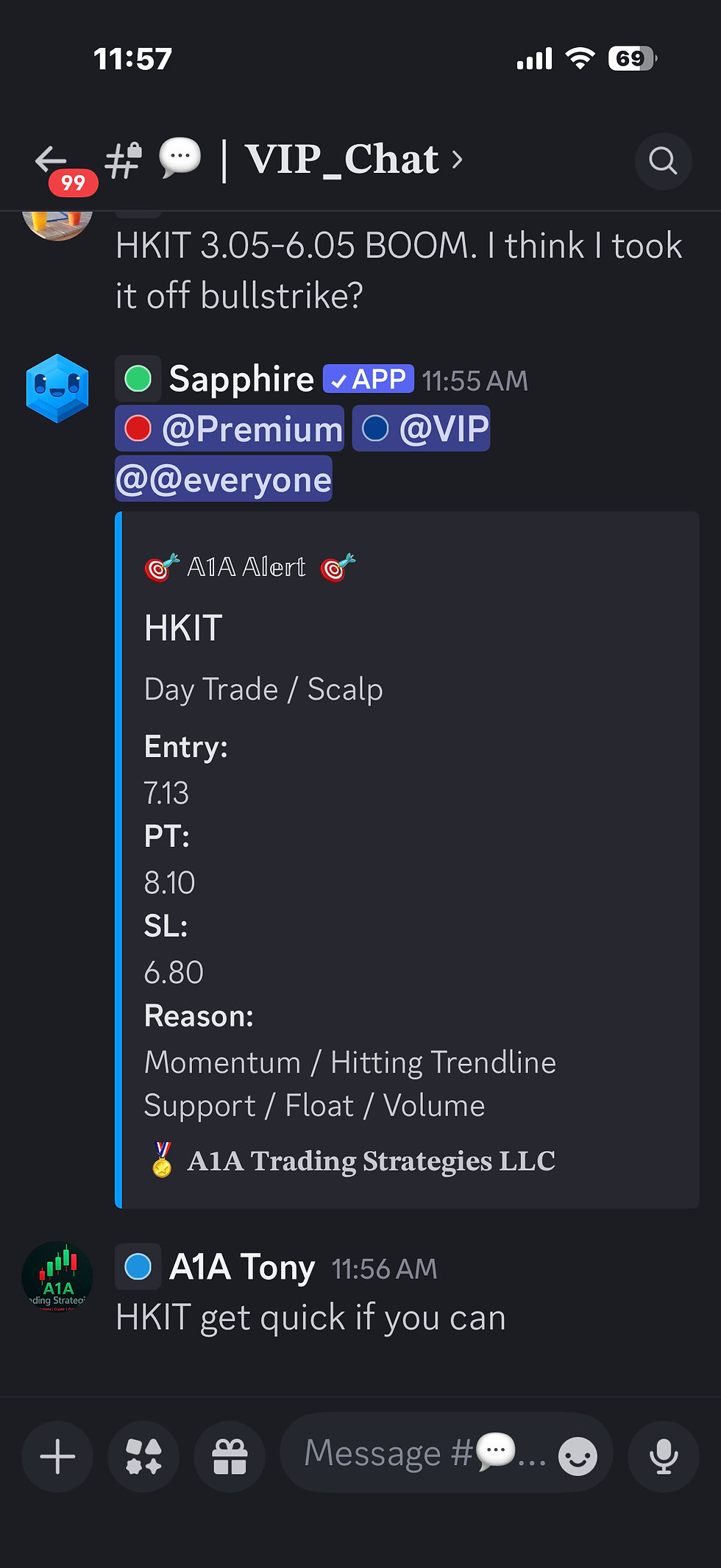
The a1a trading strategies community exemplifies this approach by providing timely trading insights and fostering disciplined investing habits. Being part of such a network helps maintain motivation and accountability.
Putting It All Together: A Practical Example
Let me walk you through a practical example of applying these principles:
Market: Stock market
Strategy: Momentum trading using moving averages and RSI
Plan: Buy when the 10-day EMA crosses above the 50-day EMA and RSI is below 70 but above 30
Risk Management: Set a stop-loss 3% below the entry price, risk 1% of capital per trade
Execution: Use a trading platform with alerts to notify when conditions are met
Review: Keep a journal to track outcomes and refine the strategy
This structured approach helps remove guesswork and emotional bias, increasing the likelihood of success.
Mastering effective trading methods requires patience, discipline, and continuous effort. By combining technical and fundamental analysis, managing risk wisely, leveraging technology, and engaging with a supportive community, you can build a robust trading practice. Remember, success in trading is a marathon, not a sprint. Stay committed, keep learning, and adapt as markets change. Your journey to mastering A1A trading strategies starts with a single step - take it today.

$50
Product Title
Product Details goes here with the simple product description and more information can be seen by clicking the see more button. Product Details goes here with the simple product description and more information can be seen by clicking the see more button

$50
Product Title
Product Details goes here with the simple product description and more information can be seen by clicking the see more button. Product Details goes here with the simple product description and more information can be seen by clicking the see more button.
$50
Product Title
Product Details goes here with the simple product description and more information can be seen by clicking the see more button. Product Details goes here with the simple product description and more information can be seen by clicking the see more button.


Comments