
Top Effective Trading Strategies to Try
- Anthony Luongo
- Feb 9
- 4 min read

Trading in stocks, options, and cryptocurrencies can be both exciting and challenging. To succeed, you need strategies that are not only effective but also adaptable to different market conditions. Over time, I have explored various approaches and refined my methods to help navigate the complexities of the financial markets. In this post, I will share some of the top effective trading strategies that you can try to improve your trading performance.
Understanding Effective Trading Strategies
Before diving into specific techniques, it’s important to understand what makes a trading strategy effective. An effective strategy should:
Provide clear entry and exit signals
Manage risk efficiently
Adapt to changing market conditions
Be easy to follow and implement consistently
When these elements come together, you can trade with confidence and discipline. For example, a strategy that uses moving averages to identify trends can help you avoid entering trades during choppy market phases. Similarly, combining technical indicators with sound risk management rules can protect your capital during unexpected market moves.
One of the most practical ways to develop effective trading strategies is to backtest them using historical data. This process allows you to see how a strategy would have performed in the past and make necessary adjustments before risking real money.

Popular Effective Trading Strategies to Explore
Here are some of the most popular and effective trading strategies that I recommend trying:
1. Trend Following Strategy
Trend following is one of the simplest yet most powerful strategies. It involves identifying the direction of the market trend and trading in that direction. The key is to enter trades when the trend is confirmed and exit when it shows signs of reversal.
Use moving averages (e.g., 50-day and 200-day) to spot trends
Confirm trend strength with indicators like the Average Directional Index (ADX)
Set stop-loss orders below recent swing lows (for long trades) or above swing highs (for short trades)
This strategy works well in markets with clear directional movement and can be applied to stocks, options, and cryptocurrencies.
2. Breakout Trading
Breakout trading focuses on entering trades when the price breaks through key support or resistance levels. Breakouts often signal the start of a new trend or a strong price move.
Identify consolidation zones or chart patterns like triangles and rectangles
Enter trades when price closes above resistance or below support
Use volume as confirmation; higher volume during breakout increases reliability
Place stop-loss orders just inside the breakout level to limit risk
Breakout trading requires patience and discipline, as false breakouts can occur. However, with proper risk management, it can yield significant profits.
3. Mean Reversion Strategy
Mean reversion assumes that prices will eventually return to their average or mean value after deviating significantly. This strategy works well in range-bound or sideways markets.
Use indicators like Bollinger Bands or RSI to identify overbought or oversold conditions
Enter trades when price touches the upper or lower band and shows signs of reversal
Set profit targets near the mean or moving average
Use tight stop-loss orders to protect against strong trends
Mean reversion can be particularly effective in volatile markets where prices oscillate frequently.

How to Implement These Strategies Successfully
Implementing trading strategies effectively requires more than just knowing the rules. Here are some practical tips to help you get started:
Start with a demo account: Practice your chosen strategy in a risk-free environment to build confidence.
Keep a trading journal: Record your trades, reasons for entry and exit, and outcomes. This helps identify strengths and weaknesses.
Use proper position sizing: Never risk more than a small percentage of your trading capital on a single trade.
Stay disciplined: Follow your strategy rules strictly and avoid emotional decisions.
Continuously learn and adapt: Markets evolve, so regularly review and adjust your strategies.
By following these guidelines, you can improve your chances of consistent profitability.
Exploring a1a trading strategies
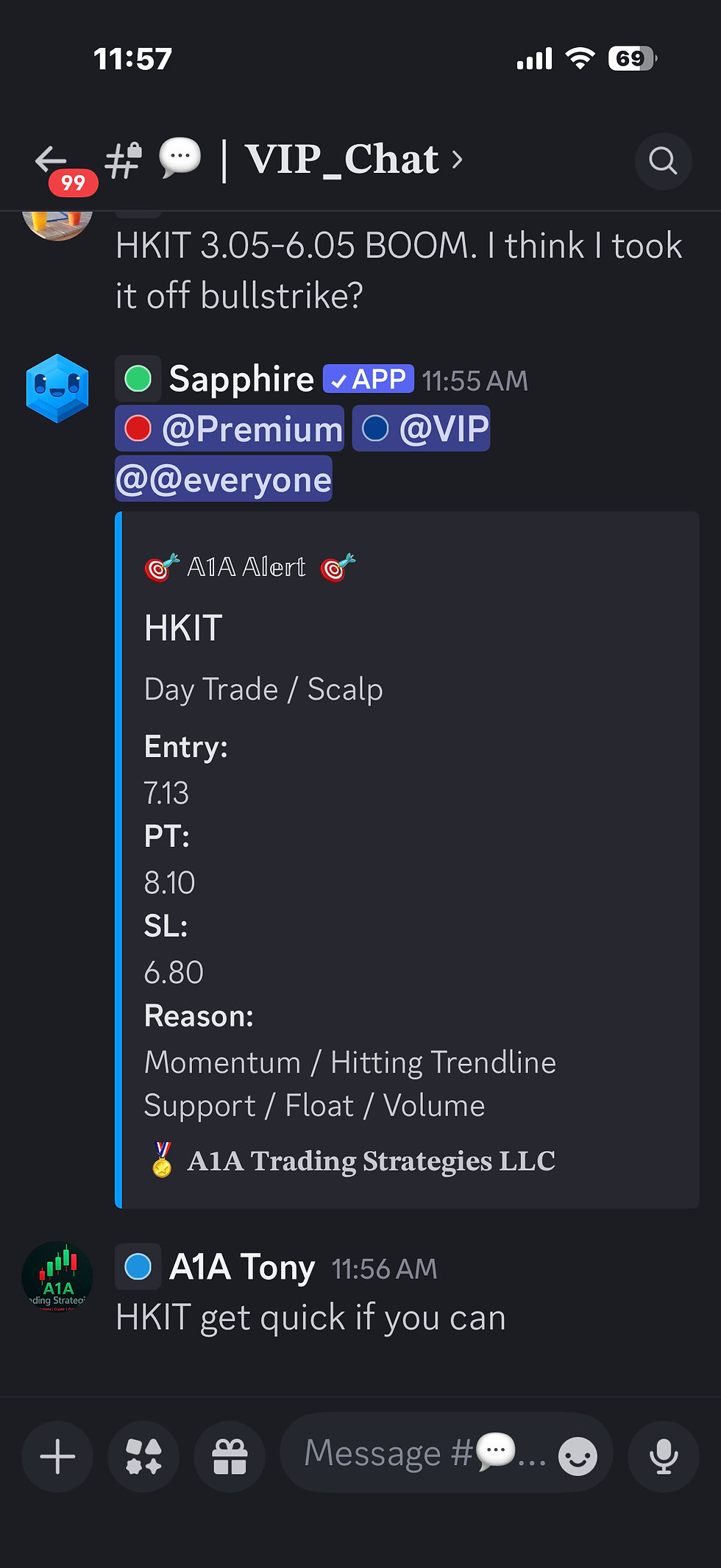
One resource I have found valuable is the community and insights offered by a1a trading strategies. They provide timely trading insights and foster disciplined investing habits, which align well with the principles I’ve discussed here. Engaging with a community of like-minded traders can accelerate your learning and help you stay motivated.
Building Your Own Trading Plan
No matter which strategies you choose, it’s essential to build a comprehensive trading plan. Your plan should include:
Your trading goals and time horizon
The markets and instruments you will trade
The strategies you will use and their specific rules
Risk management techniques, including stop-loss and take-profit levels
Criteria for reviewing and adjusting your plan
A well-structured plan keeps you focused and reduces the impact of emotions on your trading decisions.
Final Thoughts on Effective Trading Strategies
Trading is a journey that requires patience, discipline, and continuous learning. By trying out these effective trading strategies and tailoring them to your style, you can enhance your ability to navigate the markets successfully. Remember, no strategy guarantees profits, but with consistent effort and risk management, you can improve your trading outcomes over time.
Stay committed to your growth, and don’t hesitate to explore new ideas and tools. The financial markets offer endless opportunities for those willing to learn and adapt.
Happy trading!

$50
Product Title
Product Details goes here with the simple product description and more information can be seen by clicking the see more button. Product Details goes here with the simple product description and more information can be seen by clicking the see more button

$50
Product Title
Product Details goes here with the simple product description and more information can be seen by clicking the see more button. Product Details goes here with the simple product description and more information can be seen by clicking the see more button.
$50
Product Title
Product Details goes here with the simple product description and more information can be seen by clicking the see more button. Product Details goes here with the simple product description and more information can be seen by clicking the see more button.


Comments